
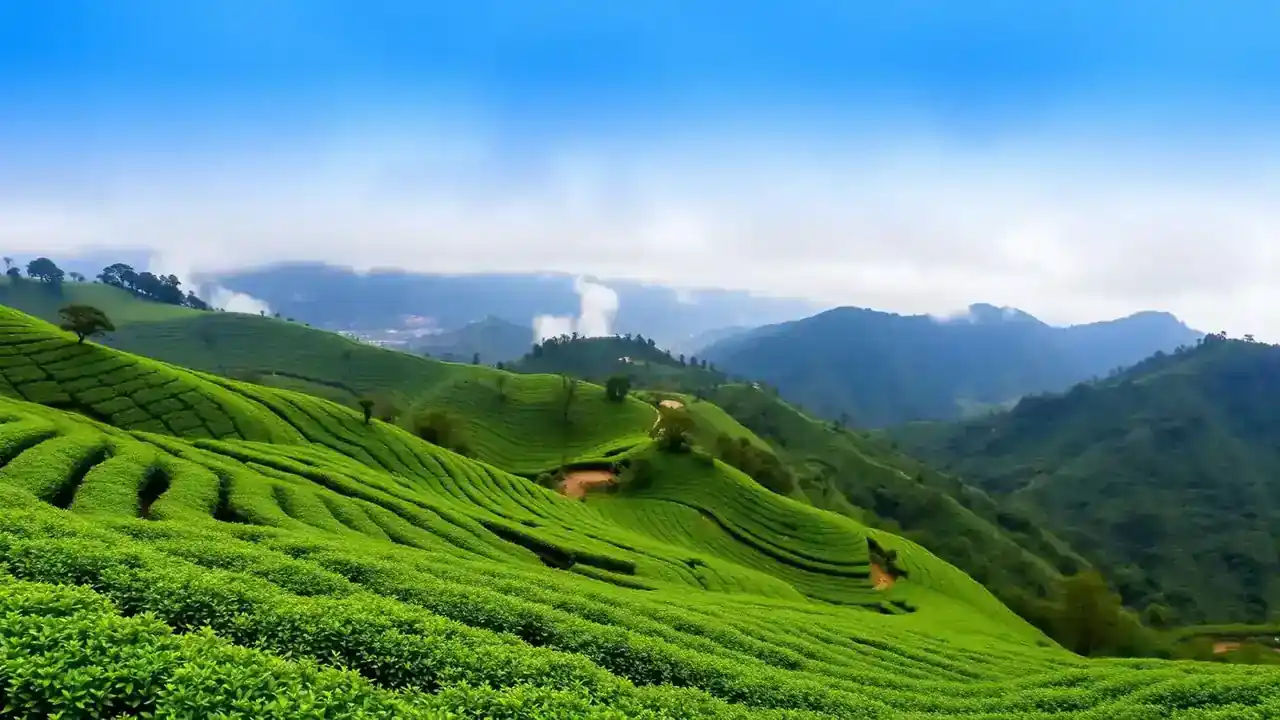
Burundi tea cultivation: Highland Cultivation
Leaf Selection
Processing
Market Preparation
Burundi Tea Cultivation

Supporting tea quality from field to finished leaf.

Explore how growing conditions, plant management and field practices contribute to the development of a productive tea crop.

Explore Burundi tea cultivation and production in the country's highlands. Discover field management, leaf selection, processing and market preparation, with attention to the decisions that influence product quality and the livelihoods connected with tea growing.

Highland Growing
Leaf Selection
Processing
Market Preparation

1,800+

Farmers Supported

850

Hectares Cultivated

4

Processing Factories

100%

Premium Grade

12+

Export Markets

60%

Yield Increase

Burundi's Highland Tea

Supporting 1,800+ farmers across 5 highland regions with improved clones, sustainable practices, and access to 4 modern processing factories.

Year-round harvesting with peak quality seasons
Rainforest Alliance & Fair Trade certifications
Modern CTC and orthodox processing capacity
Direct auction access in Mombasa & London
60% average yield increase since 2018
Women represent 55% of tea cooperative members

Our Burundi Tea Cultivation Services

End-to-end support from planting to premium markets

Clone Selection

High-yielding, disease-resistant tea clones suited to Burundi's highland conditions and varying microclimates.

Sustainable Practices

Rainforest Alliance certified cultivation methods for premium market access and environmental stewardship.

Processing Support

Access to modern CTC and orthodox processing facilities for consistent, high-quality output.

Export Facilitation

Direct links to international tea auctions and specialty buyers in Mombasa, London, and Dubai.

Growing Regions

  • Teza
  • Rwegura
  • Ijenda
  • Buhoro
  • Mwaro

Tea Varieties

  • Clone 6/8
  • Clone 31/8
  • S15/10
  • BBK35

Growing Calendar

  • Planting: October - December
  • Harvest: Year-round (peak: March-May)
  • Processing: Continuous

A Legacy of Quality Tea

We work closely with smallholder farmers through cooperative structures that guarantee fair pricing, timely payment, and technical support throughout the growing season. Our agronomists conduct regular field visits to monitor plant health, soil conditions, and harvest timing.

Key Highlights

  • 4 modern processing factories with dual CTC/orthodox lines
  • Rainforest Alliance certified since 2019
  • Average farmer income doubled in 3 years
  • Year-round employment for 500+ factory workers
  • Watershed protection programs across all growing regions
Client Success Stories

What Our Clients Say

"2Five's tea program has transformed our cooperative. The processing support and market access mean we now earn a fair price for our leaf, and our children can go to school."
MN

Marie N.

Tea Cooperative Chairperson, Teza

"2Five's integrated approach saved us time and resources. One partner for farming advice, construction, and technology — it's truly seamless."
AN

Alexis Ntakirutimana

Agricultural Entrepreneur

FAQ

Frequently Asked Questions

Burundi produces both CTC (Crush, Tear, Curl) tea for blending markets and orthodox tea for specialty applications. Our highland terroir gives the tea a distinctive brightness and strength.

Farmers receive free improved clones, agronomic training, organic inputs, and guaranteed purchase of green leaf at fair prices through cooperative structures.

Yes, our tea operations carry Rainforest Alliance certification, and we are working towards Fair Trade certification across all cooperatives.

Primarily through the Mombasa Tea Auction to buyers in Pakistan, Egypt, UK, and the Middle East, with growing direct trade relationships in Europe and North America.