
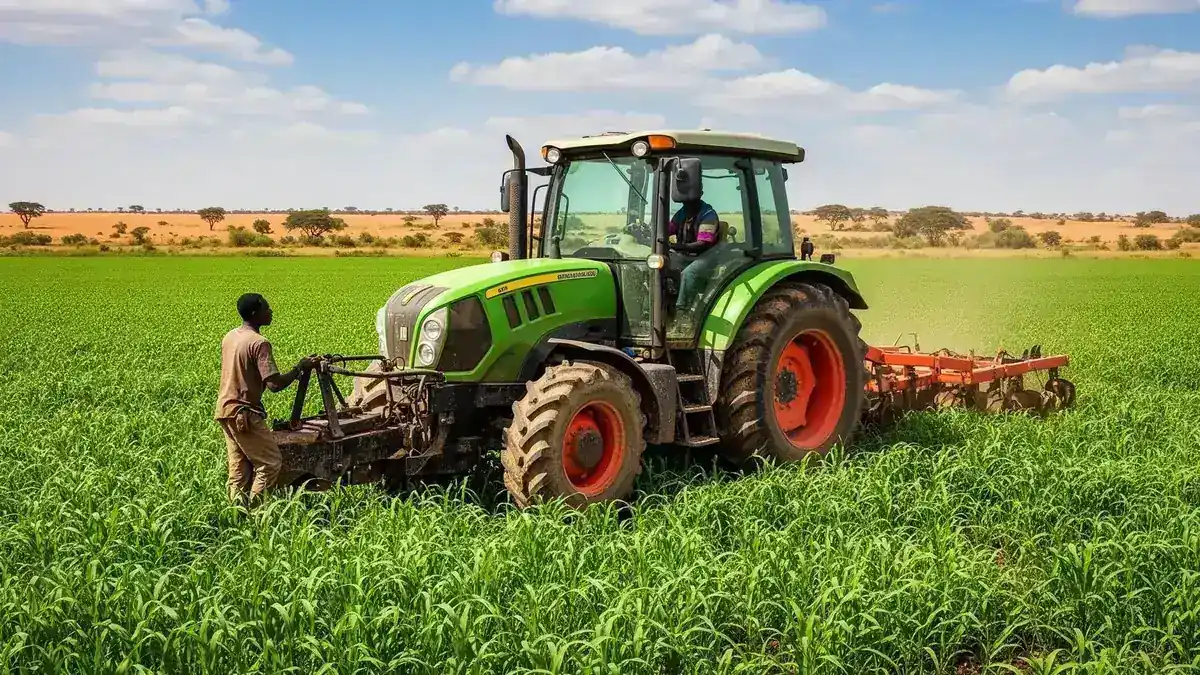
Sustainable farming practices: Sustainable Practices
Regeneration
Conservation
Farm Resilience
Sustainable Farming Practices

Productive farming begins with care for the land.

Learn about maintaining soil structure and fertility through appropriate field practices, organic matter and a considered approach to inputs.

Explore farming practices that consider soil health, water, biodiversity and long-term productivity together. Discover how resource-conscious decisions support agricultural activity while recognising the needs of farmers, communities and the environments in which they work.

Soil Health
Regeneration
Conservation
Farm Resilience

150+

Organic Farms

5,000+

Carbon Offset (tons)

40%

Water Saved

1,200+

Farmers Trained

85%

Chemical Reduction

60%

Soil Health Gain

Sustainable Practices for Future Generations

Our sustainable farming practices combine traditional wisdom with modern science to create regenerative agricultural systems. We help farmers build soil health, conserve water, protect biodiversity, and increase yields — all while reducing environmental impact.

Our Sustainable Farming Practices

Comprehensive programs that make sustainable farming accessible and profitable

Organic Certification

End-to-end support for farmers seeking organic certification, from soil testing to market access.

Composting Programs

Training and resources for on-farm composting, turning waste into valuable soil amendments.

Agroforestry Systems

Integrating trees into farming landscapes for shade, soil stabilization, and additional income.

Crop Rotation Planning

Science-based rotation schedules that restore soil nutrients and break pest cycles naturally.

Our Principles

  • Zero chemical pesticide commitment
  • Soil health regeneration programs
  • Biodiversity corridor establishment
  • Water conservation techniques
  • Carbon sequestration initiatives
  • Integrated pest management

Measurable Impact

Soil Health Improvement
+60%

Average increase in soil organic matter across partner farms

Chemical Reduction
-85%

Decrease in synthetic chemical usage since program inception

Biodiversity Index
+45%

Increase in native species observed on participating farms

Why Sustainable Farming Is the Future of Burundian Agriculture

Our programs demonstrate that organic and regenerative practices can increase yields by 40-60% within three seasons, while reducing input costs by up to 50%. We help farmers access premium organic markets where certified products command prices 30-100% higher.

Key Highlights

  • 150+ farms transitioned to certified organic
  • 5,000+ tons of carbon offset annually
  • 40% reduction in water usage through conservation
  • Partnership with 3 international organic certifiers
  • Training curriculum in Kirundi and French
  • Seed bank preserving 50+ heritage crop varieties

How It Works

01

Soil Assessment

Comprehensive soil health analysis and baseline measurement

02

Transition Plan

Custom 3-year organic transition roadmap for each farm

03

Training & Support

Hands-on training in composting, rotation, and pest management

04

Certification

Guided certification process and market linkage

Client Success Stories

What Our Clients Say

"Since transitioning to organic farming with 2Five Group's support, my income has doubled. The soil is healthier, my family eats better, and I'm proud to be protecting the environment for my grandchildren."
EN

Espérance Niyonzima

Organic Coffee Farmer, Ngozi Province

"2Five's integrated approach saved us time and resources. One partner for farming advice, construction, and technology — it's truly seamless."
AN

Alexis Ntakirutimana

Agricultural Entrepreneur

FAQ

Frequently Asked Questions

The typical transition period is 2-3 years. During this time, we provide full training and support, and farmers often see yield improvements within the first season as soil health begins to recover.

Some farmers experience a slight dip in the first season, but our composting and soil health programs typically result in yields matching or exceeding conventional methods by the second year.

We partner with internationally recognized certification bodies. The process involves soil testing, documentation of practices, annual inspections, and ongoing compliance. We handle all paperwork and guide farmers through every step.

Post-certification support includes ongoing training, market connections to premium buyers, cooperative marketing assistance, and annual renewal guidance.

Yes. We have successful programs across coffee, tea, vegetables, fruits, rice, and maize. Each crop has tailored protocols optimized for Burundi's climate and soil conditions.